

AWAI Case Studies
Since 1997 AWAI has been helping writers live “the writer’s life” … a phrase that means something different to everyone. Meet some of our success stories by clicking the links below, and learn about their version of the writers life, see how they achieved it, and get their advice on how you can follow in their footsteps.
Case Study:
Deanna Blanchard

Asheville Woman Pivots to Double Her Income Within a Year
“AWAI gave me a great foundation for writing copy and helped me get my foot in the door. It’s just taken off from there … You can easily make six figures as a writer.”
Case Study:
Derek Coleman


From Compton to Career Heights: Success with Freelance Copywriting
“I moved out of Compton, California using the skills I learned from AWAI. Before, I was a broke, 30-year-old sign flipper for Metro PCS. I had no skills to monetize. But AWAI’s programs work. I even made $13,000 one month.”
Case Study:
Matthew Troncone

Cancer Survivor Finds the Freedom to Live Life on His Own Terms
“Being a freelance copywriter is really enjoyable. You get to pick and choose what you want to do and you don’t answer to anybody. I like being my own boss.”
Case Study:
Jen Adams

Banker Trades Corporate America for a Writer’s Life of Flexibility to Put Family First
“Copywriting is the most accommodating career choice I could’ve made. With anything that’s happened in my life – copywriting allows me the freedom to travel and be there for the people I love when it matters.”
Case Study:
Leslie Blaize

Kismet Leads Corporate Communicator to New Life of Flexibility and Fulfillment
“At the heart of freelance copywriting is doing what you enjoy. I want to do the work I find inspiring with clients I like in the amount of time I want to spend. I’m so glad I pursued this path.”
Case Study:
Michele Peterson

English Degree Holder Creates a Life of Financial Freedom
“With copywriting, I finally found that concrete thing I could do with my English degree. I am in full control of the direction I take in the future. Having that control and power over your own destiny is amazing.”
Case Study:
Lisa Christoffel

Unexpected Furlough Launches Corporate Manager Into a Six-Figure Copywriting Career
“The freedom to choose how I want to work is one of the biggest benefits of copywriting. I am also fulfilled by the clients I work with. They’re helping others design their lives to meet their dreams.”
Case Study:
Jen Phillips April

Event Organizer Trades Cold Winters and Tiring Commutes for Life By the Caribbean Sea
“I have the flexibility to put my entire office in my backpack and the freedom to do what I want. That’s really meaningful to me.”
Case Study:
Curtis Dennis

Former Commercial Contractor Swaps 3-Hour Commute
“It’s literally 27 steps from my bedroom to my office. I can be ready for a meeting in 5 minutes. I have much more control over my schedule now. The personal freedom has just opened up.”
Case Study:
Monica Coleman

Political Consultant Boosts Business, Family Time and Fulfillment With Copywriting
“Copywriting makes me happier than any other career I’ve had. I can help people in their careers — and make six figures – without working all day.
Case Study:
Andrew Murray
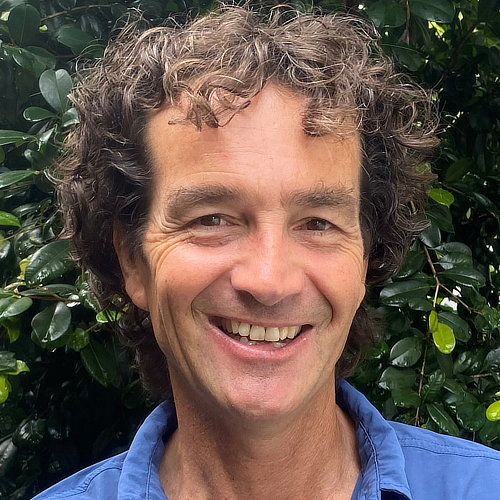
Itchy Feet and a 4x4 Camper: A Nomadic Writer’s Life in the Australian Outback
“I earn a part-time income copywriting from our camper and that’s enough to support our priority — traveling in perpetuity.”
Case Study:
NC Hawkins
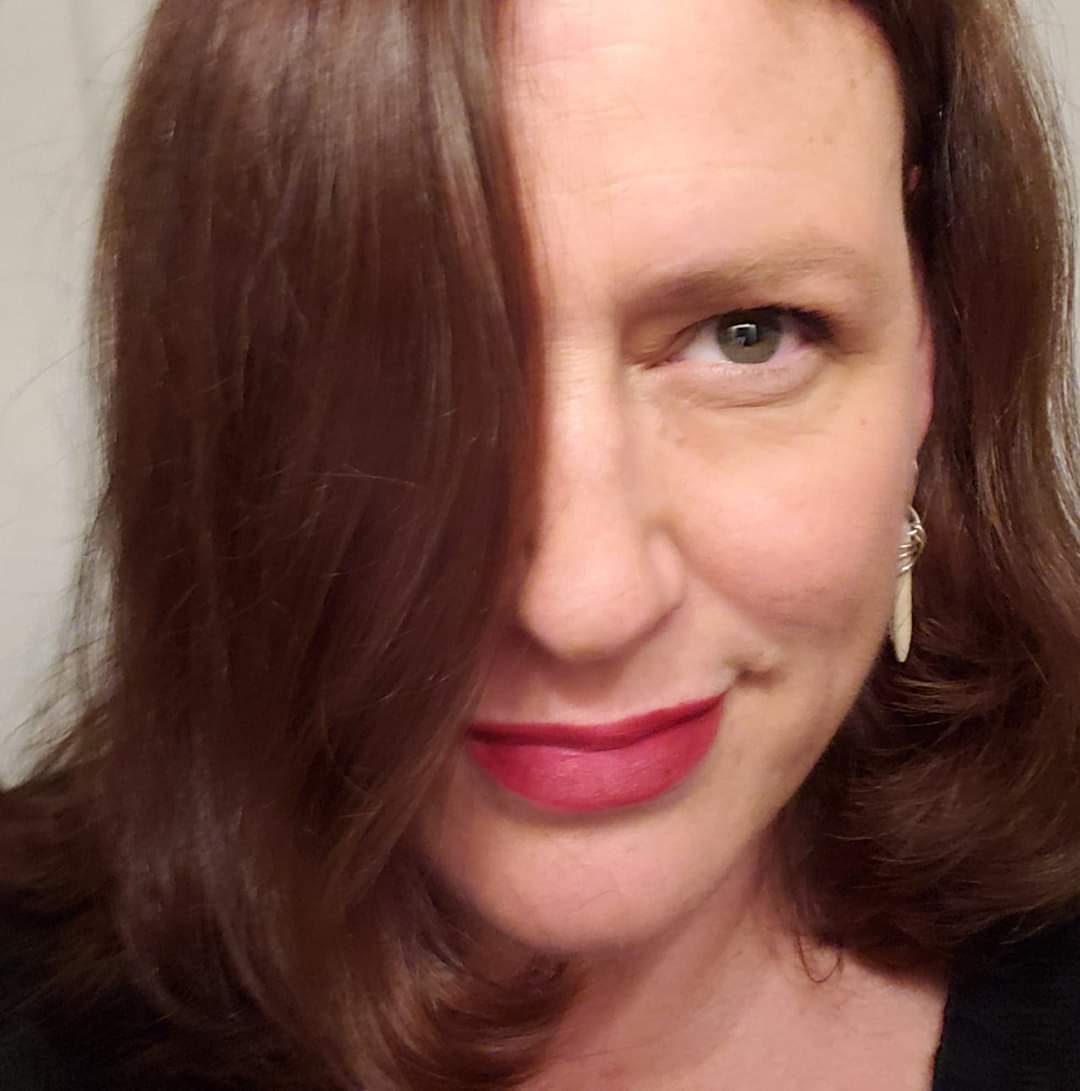
Building an Organic Business From the Ground Up — a Tortoise Approach to the Rat Race
“It’s very empowering that all my previous business and professional skills, and academic training can be used to pivot into a new career, working from home on my laptop – and I can make a difference in the world with my writing.”
Case Study:
Alice Watts
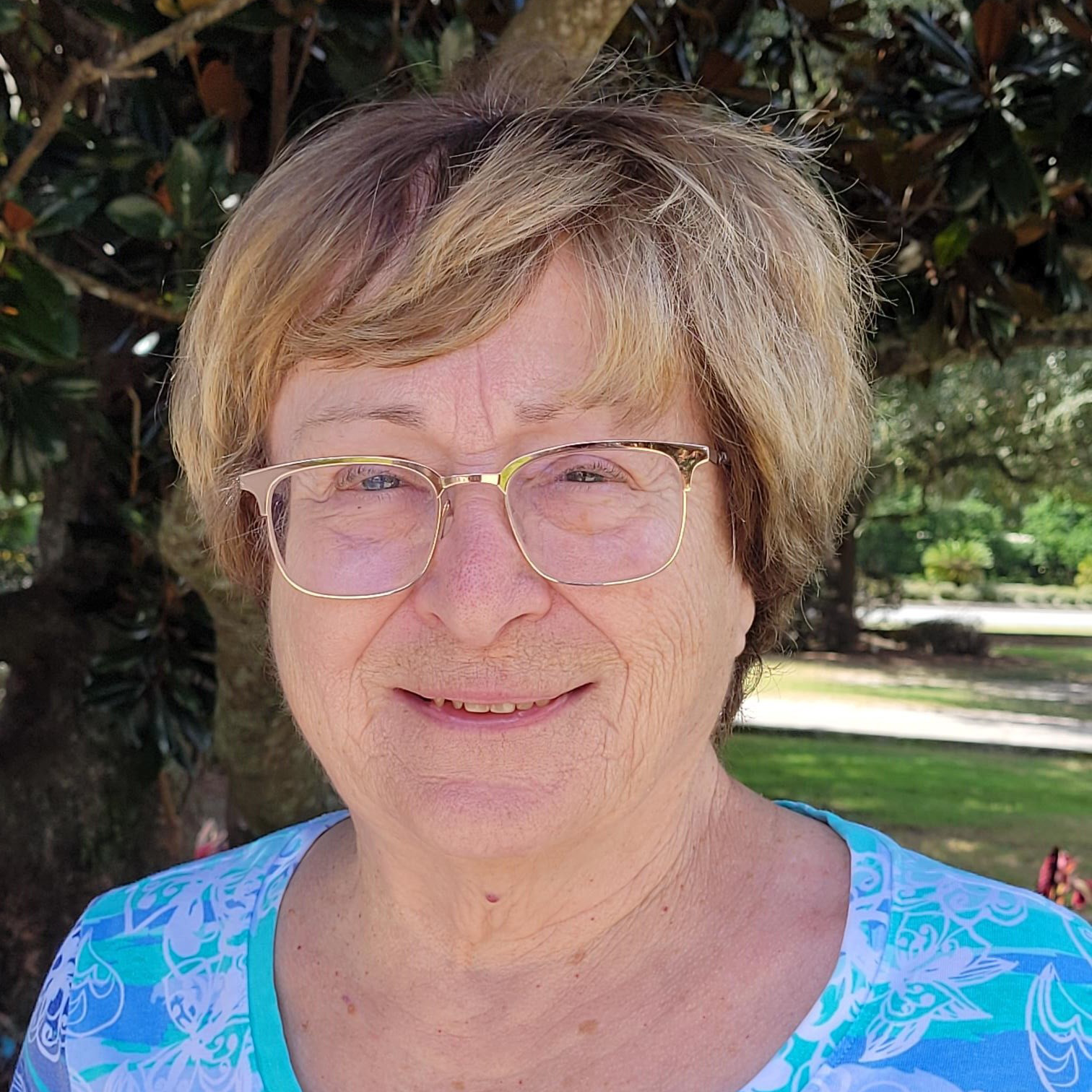
Retirement Professional Retires to the Golf Course While Building a Thriving Copywriting Business
“I have the freedom to start my day anyway I want. I live in a golf community, so I can spend my mornings golfing before turning to client work in the afternoons.”
Case Study:
Cris Johnson

Magician Turns to Copywriting, Makes Life of Endless Business Travel Disappear
“I work from home almost all the time, and I love it. I wouldn’t trade it for anything. It really is the writer’s life.”
Case Study:
EG Orren

Photographer Trades Camera Lens for Laptop: Fits Copywriting Around Her Nomadic Life
“Before copywriting, I spent eight to nine months of the year traveling for the music industry, often working up to 20 hours a day. Now, my writing business fits around my lifestyle — not the other way around.”
Case Study:
Liz Farr

CPA Leverages Experience Creating In-Demand Freelance Writing Career
“Becoming a writer has set me free! I'm making the same money or even a little more than when I was an accountant — while working fewer hours and having more fun.”
Case Study:
Lynelle Suan

College Student Exceeds Top Income Levels in Her Home Country with New Copywriting Career
“Success for me as a freelancer means I get to spend more time with my family and have flexibility in my schedule. And since I live in a third-world country, it also means having financial peace of mind. I can help my relatives. I can donate more, contribute more, or give gifts. I can support myself and those I love.”
Case Study:
Elias Christeas
Car Restorer Shifts Gears, Boosts Personal Happiness through Copywriting
“For the first time in my life, when I’m having a tough week, instead of shutting down, my work sustains me, acting as a keel guiding me through the rough waters.”
Case Study:
Laurent Duperval
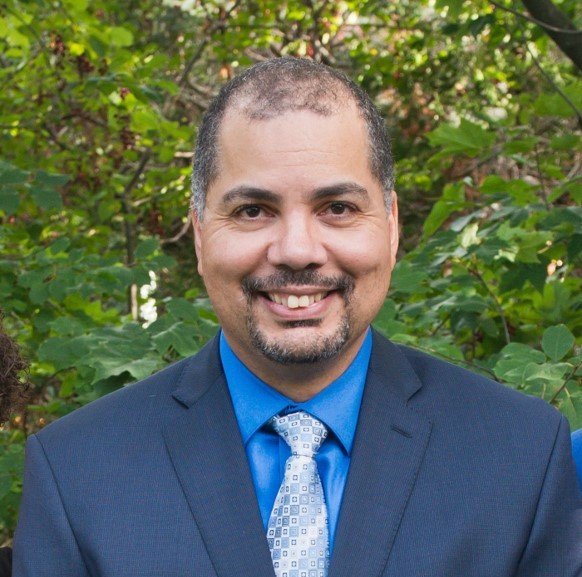
From Tragedy to Success: Corporate Escapee Propels Himself into the Writer’s Life
“When I was a project manager, I had 5:36 a.m. wake-up calls. I now wake up around eight or nine, rarely because of the alarm, and I never get up saying, I have to go to work again.”
Case Study:
Amy Slagle

From Stress to Peace: Schoolteacher-Turned-Copywriter Finds Happiness in Third Career
“I feel so much more peace in my life now. And my family has noticed that too. It’s amazing!”
Case Study:
Ralph McGinnis

Former Engineer Earns Six Figures Investing in Family, Freedom and Flexibility
“If you work for a company, you may or may not be able to just stop for whatever priority in your personal life comes up. With copywriting, you can. You can do what you want to, when you want to..”
Case Study:
Jessica McKay

Former Life Coach Gains Freedom, Clears $10k/Month in First Year as Copywriter
“This is the most lucrative career I've ever had in my life. I can think about things I didn't have the luxury to think about before. It’s changed everything.”
Case Study:
Melissa Gouty

College Professor Turns Lifelong Love for Writing into a Full-Time Income – from an RV
“I love not having to deal with office politics, managing a staff or commuting. I can take my dog for a walk, work at night, listen to my own music, or work in my socks and slippers. We have an income we can rely on in ‘retirement’ as we travel.”
Case Study:
Pauline Longdon

Ex-Army Major Finds Life-Changing Purpose in Copywriting
“AWAI’s Circle of Success has been one of the best investments I’ve made in my copywriting career. Being trained by A-list copywriters has helped to accelerate my career.”
Case Study:
Jim Wright

College Instructor Finds Freedom and Security in Dream Second Career
“For me, success is primarily in quality of life, truly loving the work I do, and having flexibility in how I do it. ”
Case Study:
Kristen Stelzer

To Parent and Pivot, Engineer Finds Flexibility in Copywriting
“I could take on as much work as I wanted — or take less when I had to parent or rearrange my schedule. Managing my own time in my own way, and what that means in terms of less stress — it’s just huge”
Case Study:
Eddie Stephens

Former Pastor Finds Freedom as a Copywriter
“For me, freedom is probably the greatest benefit. It's the ability to work where I want, when I want. If I make a lot of money, great. But it's the freedom – the ability that if I want to, I can. ”
Case Study:
Rebekah Mays

Globetrotting Texan Finds Flexibility and Financial Stability as Meditation Copywriter
“I’m earning more than I ever have, and I still have a lot of room to grow. Before, it seemed like I had to choose between a job that I wasn’t that interested in but where I made decent money, or a job that I liked but made very little. Now I have both.”
Case Study:
Rob Gramer

From Surfing to Parenting, Engineer Builds Life of Freedom – and Wealth – with Copywriting
“I get to satisfy my interests and intellectual curiosity – and make a bunch of money. Put these altogether, and it’s the ideal career for me.”
Case Study:
Colette Rice

Former Stage Actor Finds Six-Figure Success – in Unexpected Copywriting Niche
“What I wanted was a prosperous, six-figure writing career. I started focusing on that – and got exactly what I wanted.”
Case Study:
Cindy Cyr

Ad Exec Breaks Out of 9 to 5 “Prison”
“There were times when I had to cut back on the amount of work I was doing, because I had things that needed to be a priority for my family. But that’s the beauty of having this job … that you can ebb and flow.”
Case Study:
Chuck Warren

Boat Captain Navigates Rough Waters; Finds Copywriting Success
“Copywriting is a career I can do from anywhere, make good money and be able to continue on the path that I really set up for myself.”
Case Study:
Christian Nix

Former Medical Professional Becomes Copywriter – Income Leaps 400%
“We live in a time where freedom, wealth and your ability to do your own thing is greater than it's ever been by orders of magnitude. If other people have done it, why not you? As long as you’re willing to work for it.”
Case Study:
Robert Rice

Copywriting Keeps Stage and Screen Actor Pursuing His Passion
“I got into copywriting because I wanted nothing to get in the way of my acting career, but to still be able to pay for my life. I always stuck to my guns about prioritizing acting and copywriting has allowed me to do that.”
Case Study:
Rachael Kraft

Military Spouse Doubles Income with New Career
“My AWAI training and career have been such lifesavers because I haven't had to find a new job every single time we've moved. I can just pick up right where I left off in the last state …”
Case Study:
Keith Trimels

Earning Six Figures…from a Sailboat in Mexico
“The flexibility that copywriting offers is truly priceless. I have clients from Australia to Germany to India…and they don’t even know I’m sitting on a sailboat. ”
Case Study:
Ben Phillips

From Driving Limos to Writing with Legends
“I couldn’t be happier. Next, I’ll be writing big promos that bring in six-figure royalties. And living the dream.”
Case Study:
Sharlet Brennan

Florida Exec Finds Winning Formula with B2B Copywriting
“Joining Circle of Success made all the difference for me. I went for projects and recommended approaches I normally wouldn’t have as a new copywriter”
Case Study:
Kathy Widenhouse

After 20 Years Performing for the Commander in Chief, This Faithful Mom Traded Her Marching Orders for the Writer’s Life
“I loved the idea of ‘the writer’s life,’ but I didn’t know there was this whole world where you could really make a living as a freelancer… Now, I definitely keep busy, but it’s all work I love!”.”
Case Study:
Susanna Perkins

After Layoff, Orlando Woman Builds a Bustling Online Business
– from Panama
“After so many years of trying to find work, it’s a relief for clients to simply come to me. The income from my site allowed us to live very comfortably in Panama, and now that we’re back in the States.”
Case Study:
Nicole Piper

From Zero to a Full Slate in Six Months: Connecticut Mom Reinvents Career After Layoff
“I wouldn’t be here today if not for AWAI, by any stretch of imagination. Career-making connections through AWAI were really the turning point for me.”
Case Study:
Marianne Foscarini

Retiree Makes MORE in Retirement than in Her Old Job, While Finding Purpose in Writing
“I came back from the Web Copywriting Intensive loaded with ideas. I was so fired up and had gained the confidence to reach out to clients. Within a week, I got 2-3 good-paying customers.”
Case Study:
Bill Zoch

One Bootcamp Kicks Off Six-Figure Career in Natural Health Copywriting
“For my first Bootcamp, I printed business cards and went to the Job Fair, even though I had never completed a paid copywriting project. Amazingly, a major online health retailer contacted me out of the blue after the event and hired me. ”
Case Study:
Jake Hoffberg

Charlotte Copywriter Clears $140K
– in Year One
“One year after I got my first paid copywriting project, I had made $140,000. What other opportunity do you have in 90 days to learn a skill and make six figures your first year doing it?”
Case Study:
Mike Connolly

Colorado Man’s Winning Recession Recovery Plan
“My copywriting career has been like a snowball, gathering momentum and mass as it rolls to where I am now – close to six figures. AWAI has been essential in helping me really hone my chops as a communicator and serves as a wellspring of ideas.”
Case Study:
Les Worley

From Writing Code to Writing Copy: Dallas Man Makes 180-Degree Career Pivot with Boost from Bootcamp
“Whatever I needed, AWAI offered…It’s been one of the reasons I’ve been able to double and triple my income. When my client or employer needs something, I find the right program, learn, and add value.”
Case Study:
Sherri Caldwell

‘Rebel Housewife’ Reaches Full-Time Copywriting Income
“The first month’s check I received was for more than I made the entire year before. It’s like a Cinderella story! Earning as I learn from AWAI, I’m now making a full-time income years sooner than I would if I had gone back to grad school as planned. It’s pretty miraculous.”
Case Study:
Cyndee Davis

Nurse-Turned-Copywriter Finds the Flexibility to Care for Family
“In the last year and a half, my daughter has been in the hospital about 25 times and I was still able to serve my clients. I can’t tell you how often I’ve sat in the ER pounding away at the keys. I’m thankful for AWAI, and this career, for allowing me to do that.”
Case Study:
Jeremiah Magone

California Man Finds Fulfillment, Unlimited Potential in Copywriting Career
“AWAI is a constant source of help and community. Throughout the entire journey, their courses and live events have always guided me to the next phase. That’s why I turned to AWAI when I was putting together my Hospitality Copywriting team, because I know their writers are trained in a winning formula. ”
Case Study:
Holly Hanna

Austin Mom Turns Blogging into Six-Figure Venture
“How to Write Your Own Money-Making Websites really gave me the marketing mindset and the foundation I needed — covering newsletters, SEO, social media, and more. It was a great platform for me to pull all of it together and start making money more quickly.”
Case Study:
Steve Maurer

Maintenance Tech Grows Income by 50%,with Writing Sideline
“My copywriting income has doubled every year because I’m getting better clients and better fees. And at this year’s Bootcamp I shared the ‘stage’ with some of my heroes! I only wish I’d started long ago.”
Case Study:
Candice Lazar

Florida Attorney Finds Fulfillment – and Financial Gain – in Copywriting Career Shift
“Copywriting is much more than a source of income for me. I really like the work I’m doing. The days I spend working for me, rather than a boss, are way more fun.”
Case Study:
Steve Coombes

Father of Seven Finds
Flexibility, Full Income with Copywriting
“When I want to take time off with my family I can do it. I can do things spur of the moment. I don’t have to ask my boss. I just work extra hard the next day.”
Case Study:
Pat McCord

Author: Books Feed Her Soul, Copywriting Feeds Her Bank Account
“In truth, my first AWAI program introduced me to a world I knew nothing about. I soon realized I was buying a lifestyle as well, where I found expertise, activities and friends.”
Case Study:
Mindy McHorse

Corporate Refugee Finds
Six Figures as Copywriter
“AWAI is my American Idol. They put me on the stage and gave me everything I needed to live as a writer. They’re genuinely interested in helping people succeed at writing for a living.”
Case Study:
Pam Foster

Florida Copywriter
Unleashes Income
with Pet-Industry Niche
“I really immersed myself in my industry and started getting inquiries out of the blue and gaining momentum. With a niche focus, I saw a nice, steady increase in my copywriting income.”
Case Study:
Chris Allsop

University Development
Officer Adds $2000 Extra
to Monthly Income
“It took me a little while but I woke up to the fact that I could use my business as a leverage to grow personally, advance my copywriting skills and supplement my income.”
Case Study:
Roy Furr

Big Risk Pays Off
for Nebraska
Copywriter
“I had set a date for when I wanted to launch my business, but the freelance opportunities were coming so fast that I quit my job even sooner than I planned.”
Case Study:
Sean McCool

Tennessee Copywriter Turns
Career Around,
Tops $200,000
“A huge a-ha moment was when we realized we had left a $2,500 royalty check on the kitchen counter for two week before we got around to taking it to the bank.”
Case Study:
Toni Rockis

Former Educator,
Now Grant Writer,
Lands $68M for Schools
“Our world moves very rapidly these days, so I strongly believe in lifelong learning. I’ve advanced my skills by investing in myself. AWAI offers high-quality professional development that can catapult your career”
Case Study:
Christy Goldfeder

Copywriter Designs Life as Digital Nomad
“I can make as much money as I did while I was employed. I can choose if I want more free time or to make more income – on my own terms.”
Case Study:
Elizabeth Blessing

Writer Carves Out New Career
by Taking on, and Winning, “Copy Challenges”
“AWAI provided me with the tools to bounce back from things that happen in life. I found skills, support, and more connections than I could have made on my own”
Case Study:
Marcella Allison

Cincinnati Copywriter
Commands Wall Street Wages”
“I kind of owe my whole career to AWAI. I've just been really blessed to have met some amazing mentors through AWAI. And Bootcamp is the one networking event that I go to every year. I can't think of another corporate event that has that same heart to it.”
Case Study:
Jon Stoltzfus

Rocket Scientist by Day Pulls in Well Over $100K
“I will at some point retire early from engineering and make copywriting my full-time early retirement career. That’s something that excites me and motivates me every day. I have a future I’m more optimistic about and that I look forward to more than I ever did before”
Case Study:
Max Latimer

Aussie’s New Copywriting “Superpower” Brings $33K in First Projects
“Since attending Bootcamp, I’ve secured 45,000 (AUD) in writing gigs, and AWAI was the sole reason it happened.””
Case Study:
Jerry Bures

Wisconsin Engineer Takes 180-Degree Turn into Health Copywriting
“Job Fair kickstarted feeling comfortable with, and getting, clients. And with each new client, I have gotten better at networking and positioning myself.”
Case Study:
Heather Robson

In a Day’s Work for Idaho Mom:
Copywriter, Instructor, Novelist
“My kids were only little for so long. Because of that, I was never willing to put in more than a certain amount of work while they were growing up. Thanks to freelancing, I got to be present in their lives in a way I wouldn’t have been with a traditional career. I loved that.”
Case Study:
Peter Fogel

Copywriter by Day,
Touring Actor by Night
“Copywriting is two thirds of my income. It’s my day job. My night job is comedy. Copywriting provides a solid reliable income while entertaining feeds my soul.”
Case Study:
Guillermo Rubio

Former Barista
Conquers Fear, Triples Income
“Figure out what you want to be. If you’re not there yet, it’s because of fear. The thing you are fearing is what you need to be doing.”
Case Study:
Charlotte Hicks Crockett

Copywriting Keeps North Carolina Woman Near the Ocean
“When I realized I could do copywriting anywhere – and spend part of the year in Little Cayman if I wanted to, I said to myself ‘I’m doing this,’ and committed a hundred percent.”
Case Study:
Joshua Boswell

Kansas City Father of 10 Tops Six Figures Working Part Time
“When I found copywriting, it really clicked for me. I thought that I could build any kind of lifestyle that I wanted. I could really do this without working full time and I could spend the rest of my time with my family.”
Case Study:
Brian Whitaker

Austin Marketing Manager Exceeds Corporate Income with Copywriting
“I’m using my copywriting skills to start a small online magazine aimed at family travel – which gives me another excuse to enjoy the writer’s life wherever I want.”.”
Case Study:
Krista Jones

Atlanta Professional Ditches Heels, Hose For Freedom of Copywriting
“I feel like in many ways that I am coming full circle, coming back to the idea and dreams I initially had when I was younger. But now, I am in charge of my own destiny.”
Case Study:
Catherine Cairns-O’Keefe

From Housekeeper to Well-Paid Copywriter – at 23
“Within six weeks, I had my first paying project. It was a very life-changing call to hear they wanted to work with me for amazing pay. I thought, ‘I don’t have to go back to a job.”
Case Study:
Janet Grosshandler

Retired School Counselor Finds Extra Income Copywriting – from Costa Rica
“When I can slip away to Costa Rica for months at a time and still easily keep up with my business and my writing, I know how wonderful life is.”
Case Study:
John Torre

New Jersey Man Turns Writing Sideline Into Full-Time Income
“I made the transition from the daily commute and making money for someone else to making money on my own terms.”
Case Study:
Julia Hassett

Bootcamp: the Six-Figure Boost for New LA Copywriter
“I’m the architect of my day and I can fit in all the pieces I want because I’m not just trading hours for money anymore.”
Case Study:
Christina Gillick

Copywriting Skills Help Texas Woman Launch Profitable Web-Based Business
“Copywriting has become so much more than a path to quitting my full-time job. AWAI gave me the tools I needed to turn my idea into a business.”
Case Study:
Ed Gandia

Father Trades Sales Job for Flexible, Six-Figure Freelance Career
“I’m able to work from home and see my wife and kids every day. That, to me, is the top priority. I want to see my kids grow up, because it’s going by so fast.”
Case Study:
Rae Robinson

Colorado Copywriter Approaches
Six Figures – at 25
“I have a career that I’ve literally built for myself, with the help of a lot of wonderful people. I love what I do and I love life.”
Case Study:
Susan Nickerson

Bootcamp Brings $100K
Starter Year for Florida Copywriter
“Now I have the time and the income to travel. If I had to be somewhere during normal business hours, I wouldn’t be able to live this kind of life.”
Case Study:
Kammy Thurman

Copywriting Career Frees Colorado Mom to Care for Special-Needs Son
“Because of the needs of my family, I would not have been able to hold down a regular job outside of the home.”
Case Study:
Melanie Rembrandt

Layoff Lands California Copywriter with her First Freelance Client
“I realized I was finally in control of my career when I didn’t have to get dressed up on a Monday morning and drive to an office.”
Case Study:
Mike Klassen

Washington State Graphic Designer Designs His Own Successful Career
“I have the lifestyle I want. I live where I want. I work with people I like. Nothing is dictated by someone else. In that regard, success for me is just being in control of my life.”
DISCLAIMER: To be clear, some of these results are not typical. Everyone on this page took action, followed the program, put in the work, and got terrific results. In no way, shape, or form, are we guaranteeing that you can do the same. But if you’re willing to put in the effort, we’re here to help!
